




















Three types of software release and details for users
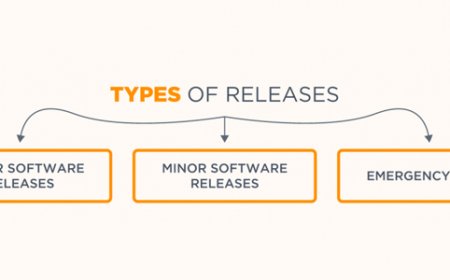
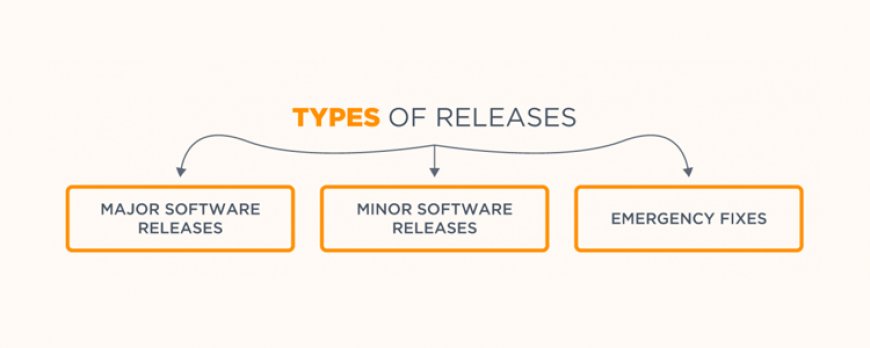
In release management, there are three software release types: major, minor, and emergency. And each release type represents a different impact for your existing users.

Understanding these different software release types help you better manage the way you upgrade, update and maintain your software.
So, here we explain the three main software release types and what they mean for your users.
Type 1: major software releases
The biggest type of software release is the major release. These are also known as ‘versions’ of your software.
Major software releases upgrade your existing version of the software product in question. They typically overrule previous releases of the software.
A major release boasts substantial product changes and rolls out key improvements in functionality. For example, a major release might include:
- A rewritten codebase offering improved speed and resilience
- User interface changes for a fresh look and feel
- Game-changing new feature releases
- The removal of outdated or dropped features
- Integrations into new software and/or compatibility for newer hardware
Major releases, along with representing the biggest scale of software change, are the least frequent of the three software release types.
What major releases mean for users
Of the three software release types, major releases are the most disruptive for users. They introduce new things and likely require time and effort to download or configure.
This means that major releases can cause change aversion. They may require you to provide training to your customers, or dedicated time for migrating data to the new version.
They may also mean issues or changes with compatibility. For instance, a major release may not be backwards-compatible with older hardware and legacy programs.
So, when you’re getting ready for a major software release, be sure to keep your users in the loop. Don’t surprise them, and ensure that you’re ready to support them onto the new version of your software.
Type 2: minor software releases
The second of the software release types is the minor release. Minor releases are also known as updates, and they’re installed on top of major releases. That is, they edit the current version of the software.
Minor software releases are smaller than their major counterpart. They are not a total overhaul or a new version of your software offering. Rather, they enhance and improve existing functions.
So, a minor release might include:
- Limited new features and functionality
- Small updates to existing features
- Minor bug fixes and ongoing security patches
Minor releases will run regularly, and often do so in the background.
What minor releases mean for users
Minor releases can represent some disruption for users. But they are less impactful than major releases.
Minor releases are a balance for software users. They can require the time it takes to run the update, but they don’t represent changes big enough to make the software seem new.
Users are still using the current version of the software, so little to no time or effort is needed to adapt to the latest release. It’s also much less likely that users will need to spend time learning new features.
This software release type can still mean that users face some minor change aversion. For instance, if there’s been a tweak to certain UI options, or they dislike a new feature.
However, for the most part, minor releases mean an improved experience for minor disruption.
Type 3: emergency software releases
Emergency releases are the last of the three software release types. You might also have heard of them as ‘hotfixes’.
Emergency releases are there for the times there’s a sudden or pressing problem that needs fixing as soon as possible. They might address:
- Critical bugs that make parts of the software stop working
- A high-priority security vulnerability that’s been recently discovered
The point of emergency releases is that they fix something urgent. They’re not there to dramatically improve the user experience, but to ensure the software continues to run effectively and securely.
What emergency releases mean for users
Emergency releases only (noticeably) impact the issue that they directly fix. For example, X feature no longer crashes, or Y no longer represents a cybersecurity hole.
Users may have experienced inconvenience or disruption from the bug or vulnerability in question. Their trust in your service may also have dipped. So, for users, emergency releases mean that things either get back or stay on track.
A prompt emergency release, then, means that users can continue to use the software effectively. And, if handled quickly and competently, they can also restore any lost product faith.
The three software release types
There are three software release types you need to know:
- Major: sweeping new upgrades
- Minor: small, regular updates
- Emergency: sudden, unplanned hotfixes
And whether it’s a new version of the software or a crucial fix to keep things running, your software releases will impact users.
So, make sure they’re ready for the changes coming their way.
Source: https://www.parkersoftware.com/blog/the-three-software-release-types-and-what-they-mean-for-users/
What's Your Reaction?
 Like
0
Like
0
 Dislike
0
Dislike
0
 Love
0
Love
0
 Funny
0
Funny
0
 Angry
0
Angry
0
 Sad
0
Sad
0
 Wow
0
Wow
0